No Patricular Category
Hedging & Risk
Protege el margen de tu empresa frente a la volatilidad del USD/MXN
Ashley Groves
October 8, 2026
7 min read
Filters
Hedging & Risk
No Patricular Category
Protege el margen de tu empresa frente a la volatilidad del USD/MXN
Guía práctica para gestionar el riesgo cambiario al cierre de 2026 y llegar preparados a 2027.
7 min read
8.10.2026
Hedging & Risk
No Patricular Category
How Currency Drag Erodes Emerging Market Fund IRR: A GP Framework for Measuring and Hedging It
How BRL depreciation turns a 22% local IRR into about 14% in dollars, why forward hedges cost the carry, and four FX decisions every GP should make.
6 min read
5.10.2026
.png)
Deaglo Platform
No Patricular Category
Top 7 FX and Rates Risk Platforms for Funds in 2026
Discover the top FX and rates risk platforms for private capital funds in 2026. Compare Deaglo, Validus, MillTech, MUFG, BNY Mellon, Goldman Sachs Marquee, and Chatham Financial to understand which solution best fits your fund's advisory, execution, and overlay requirements.
3 mins
14.7.2026
.png)
Hedging & Risk
No Patricular Category
Real-Time FX Risk Monitoring: A Guide for Corporate Treasury
Corporate treasury teams that rely on periodic, spreadsheet-based reviews often discover currency exposure changes days after they happen long after the market has moved. Real-time monitoring closes that gap. This article explains what real-time FX risk management looks like in practice, how it helps treasury teams track foreign exchange risk and interest rate risk continuously, and why the ability to see exposure changes as they happen not after the fact matters most during volatility spikes.
3 mins
7.7.2026
.png)
Hedging & Risk
No Patricular Category
Debt Service Coverage Ratio and FX Risk
Latin American fintechs that borrow in USD while earning revenue in local currencies face significant foreign exchange (FX) risk. Currency depreciation can increase debt servicing costs, pressure financial covenants, and create technical default risk. CFOs must implement FX risk management strategies and conduct regular sensitivity analysis to demonstrate financial resilience, maintain covenant compliance, and secure access to international capital.
3 mins
4.6.2026
.png)
Hedging & Risk
No Patricular Category
Gestión del Riesgo Cambiario para Fintechs con Deuda en USD
Guía de gestión del riesgo cambiario para fintechs en México con deuda en USD. Conozca estrategias de cobertura y mejores prácticas para CFOs.
3 mins
2.6.2026
.png)
Hedging & Risk
No Patricular Category
10 Questions PE Fund CFOs Ask About FX Hedge Programs
PE fund CFOs managing Brazilian portfolio companies face a single unavoidable question: how do you hedge USD/BRL exposure without destroying returns? This Q&A covers the 10 decisions that matter most — from NDF cost and structure, to hedge ratio targeting, IFRS 9 and ASC 815 documentation, counterparty selection, BRL volatility management, options vs. forwards, execution and counterparty risk, and LP disclosure requirements — with specific numbers and instrument mechanics throughout.
3 mins
27.5.2026
.png)
No Patricular Category
FX Hedge Management for Private Equity Funds Investing in Brazil
This guide explains how private equity funds investing in Brazil can structure and manage USD/BRL currency hedging programs to protect returns, stabilize NAV volatility, and improve LP reporting transparency. It covers the core FX exposures PE funds face across Brazilian investments, the differences between NDFs and deliverable forwards, hedge program design considerations, IFRS 9 hedge accounting implications, and institutional best practices for reporting currency risk to LPs. The article is designed as a comprehensive anchor resource for CFOs, COOs, and Heads of Operations managing LatAm portfolio exposure and seeking a more systematic approach to FX risk management.
3 -4 mins
18.5.2026
Currencies & Markets
No Patricular Category
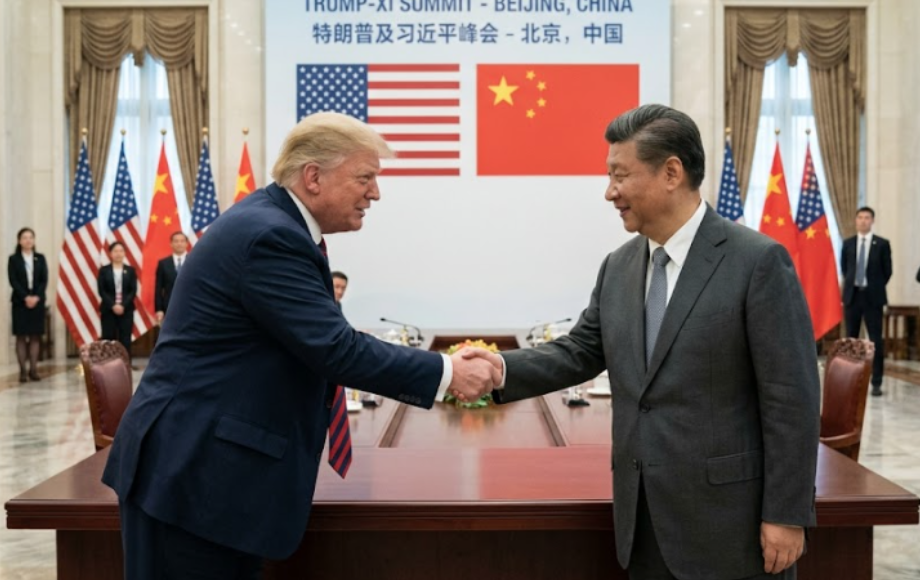
U.S.-China Summit Signals “Managed Competition” — What a CNH Short Squeeze Could Mean for Global Markets
As the U.S.-China summit unfolds in Beijing, markets are shifting from fears of economic decoupling toward a narrative of “managed competition.” While geopolitical tensions and the recent oil shock continue to pressure global markets, investors are closely watching the Offshore Yuan (CNH) and Australian Dollar (AUD) as key indicators of trade sentiment and global risk appetite. A potential partial tariff rollback could trigger a sharp CNH short squeeze, forcing heavily defensive market positions to unwind rapidly and creating significant volatility across FX markets. For treasury teams, corporates, and fund managers, the event highlights the importance of stress-testing hedging programs, reviewing options structures, and ensuring operational readiness during periods of rapid market repricing. The article explores how shifts in U.S.-China relations could impact currency markets, why AUD remains a critical risk proxy, and what practical steps firms should take to strengthen FX governance and exposure management in a highly reactive geopolitical environment.
3–4 min read
15.5.2026