U.S.-China Summit Signals “Managed Competition” — What a CNH Short Squeeze Could Mean for Global Markets
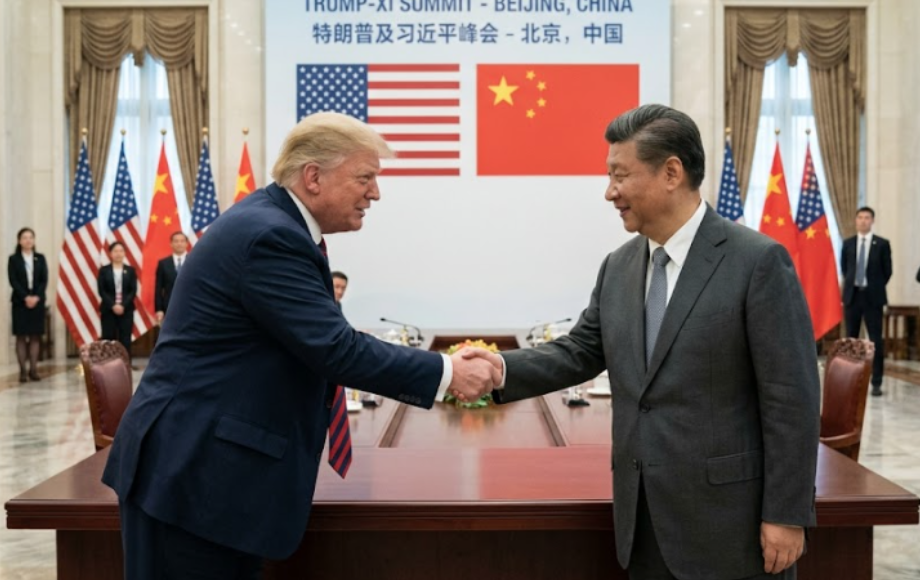
As Presidents Trump and Xi continue their talks at the Great Hall of the People, the global marketplace is holding its collective breath. While the 2025-2026 period has been defined by high-stakes friction and the recent "oil shock" from the Iran conflict, today’s headlines suggest a shift toward "managed competition" rather than the scorched-earth trade war many feared.
With business titans like Jensen Huang and Elon Musk in the U.S. delegation, the rhetoric has shifted from "decoupling" to "constructive strategic stability." However, for treasury teams and fund managers, the real story isn't in the handshakes—it’s in the currency pairs.
The Angle: CNH and AUD as the Global Barometers
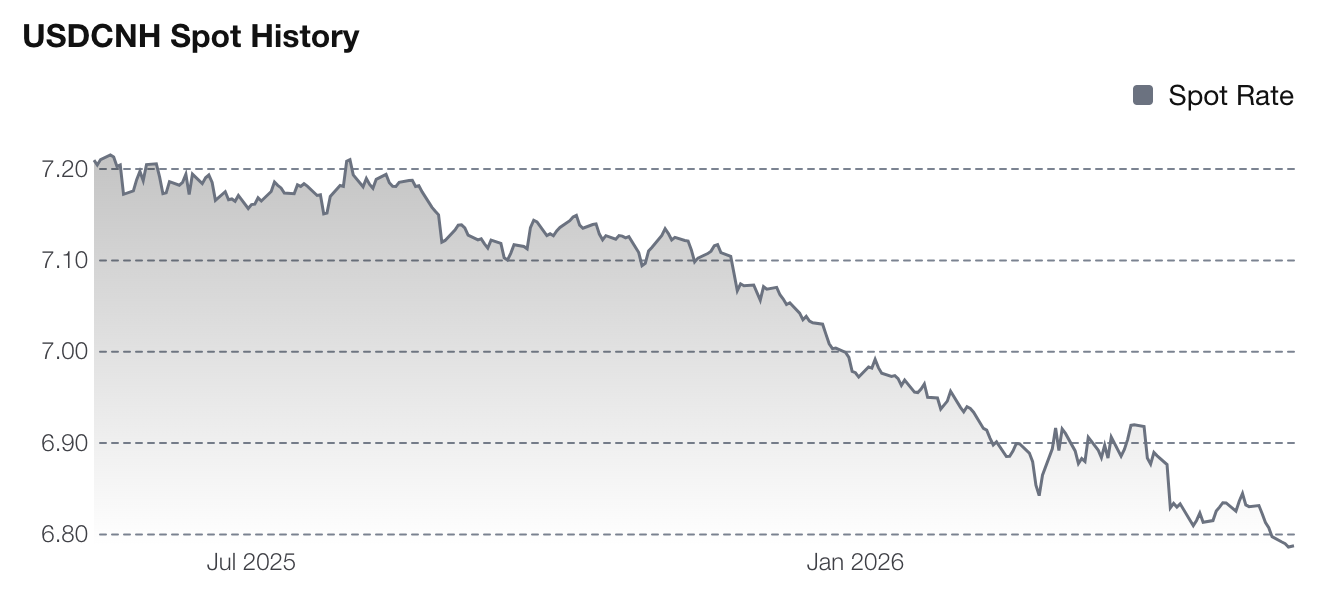
In the current environment, the Offshore Yuan (CNH) and the Australian Dollar (AUD) have become the ultimate proxies for trade sentiment.
- CNH (The Direct Proxy): Despite the volatility of the past year, the CNH has recently touched a 3-year high near 6.77. Markets are betting that Beijing will resist further depreciation to maintain financial stability during these delicate negotiations.
- AUD (The Risk Proxy): The Aussie Dollar remains buoyant, trading around 0.7240. As a primary commodity exporter to China, the AUD is the "canary in the coal mine." A successful summit typically triggers an AUD rally as risk appetite returns and commodity demand forecasts are revised upward.
The Twist: The "Partial Rollback" Short-Squeeze
While the consensus view is one of "cautious optimism," most funds are still defensively positioned. Many macro desks have maintained "short" positions on the Yuan as a hedge against a potential breakdown in talks over Taiwan or tech sanctions.
The Catalyst: If the summit concludes with a surprise "partial tariff rollback"—specifically addressing the $30 billion in imports currently caught in legal limbo—we could see a violent reversal.
- The Squeeze: A sudden policy pivot would force thousands of short positions to cover simultaneously.
- The Result: This could spark a massive "short-squeeze" in the CNH, potentially driving the pair toward 6.60 in a matter of days, catching unhedged corporates and late-moving funds on the wrong side of the trade.
Actionable Insights for Clients
In light of the current Beijing summit and the potential for rapid-fire policy shifts, we recommend the following:
- Stress-Test Your Hedges: Model a 3–5% move in CNH/USD over a 48-hour window.
- Monitor AUD Volatility: Use AUD as an early-warning signal for shifts in the "Managed Competition" narrative.
- Review Strike Prices: Ensure your options collars account for a "positive shock" scenario, not just downside protection.
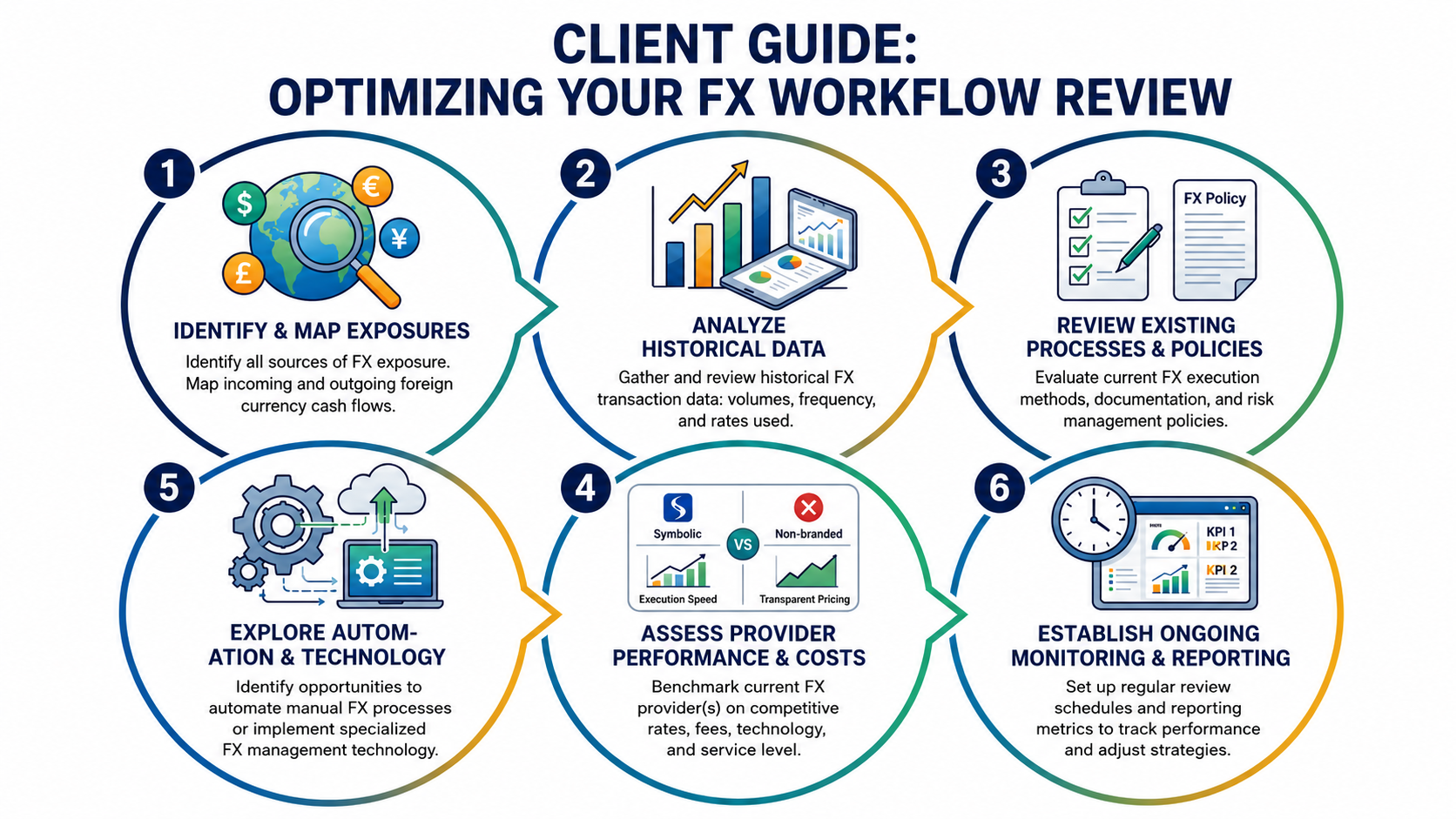
Market-moving events of this magnitude often expose cracks in legacy systems. It is always a prudent time to conduct a comprehensive review of your current FX processes. Volatility doesn't just create price risk; it creates operational risk.
· Are your execution platforms capable of handling high-frequency updates?
· Are your reporting lines for margin calls and collateral management streamlined?
A periodic review of your FX infrastructure and workflows helps ensure that when volatility intensifies, your team remains focused on strategic decision-making — not operational troubleshooting.
Request a complimentary FX Diagnostic to evaluate your current FX risk management framework, operational processes, and reporting capabilities.