Maximizing Savings & Securing USD Funding: Tecredi's Success Story
The Client
Tecredi is a credit fintech based out of the South East of Brazil and specializes in providing vehicle financing quickly, securely, and digitally through their partner’s networking. This networking includes over two hundred local car vendors and national insurance companies in Brazil.
Through a strong partnership with the team of Credix, a decentralized credit marketplace that provides very agile financial solutions at competitive rates, Tecredi issued a USD 12 million long-term loan.
The deployment of this loan was structured in four equal tranches drawn in the first 1 to 6 months of the deal and converted into Brazilian Real. The repayment is a lump sum payment made for the entirety of the outstanding balance of the loan.
Key Takeaways
USD lending to a BRL borrower creates significant FX risk amid historically high USDBRL volatility.
BRL depreciation increases the local currency value of USD-denominated debt obligations.
FX deterioration may reduce interest income and increase loan loss provisioning requirements.
Methodology
- Risk Assessment Objective
Tecredi aimed to fully assess currency exposure and mitigate potential FX-related financial risks.
- Risk Quantification (VaR)
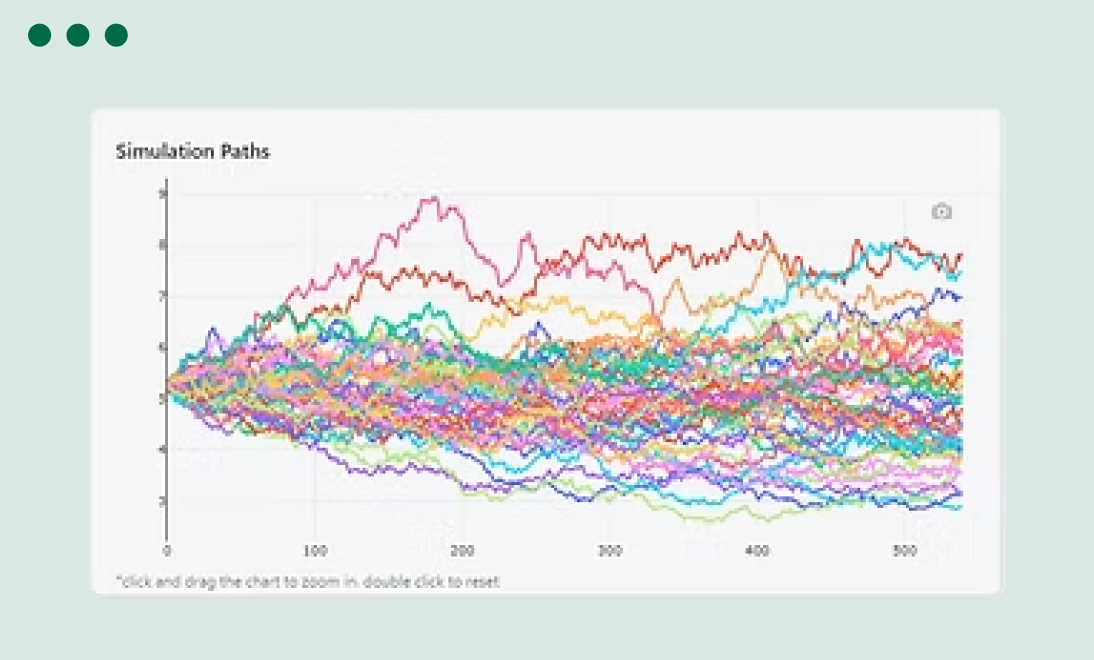
Deaglo’s platform quantified FX risk using VaR, market conditions, and hedging cost analysis.

- Hedging Strategy Design
Layering, rollover approaches, and multiple hedging arrangements were evaluated for existing exposures.
- Strategy Simulation and Selection
The Strategy Simulator identified the most cost-effective derivative, balancing tail risk protection and upside participation.
Results
- Unhedged Risk Assessment
VaR analysis showed that remaining unhedged would pose material cash flow risk.
- Optimized Hedging Structure
Layering and rollover strategies significantly reduced hedging costs while improving cash efficiency.
- Liquidity Protection
The executed hedge ensured no additional liquidity risk was introduced to cash flows.